
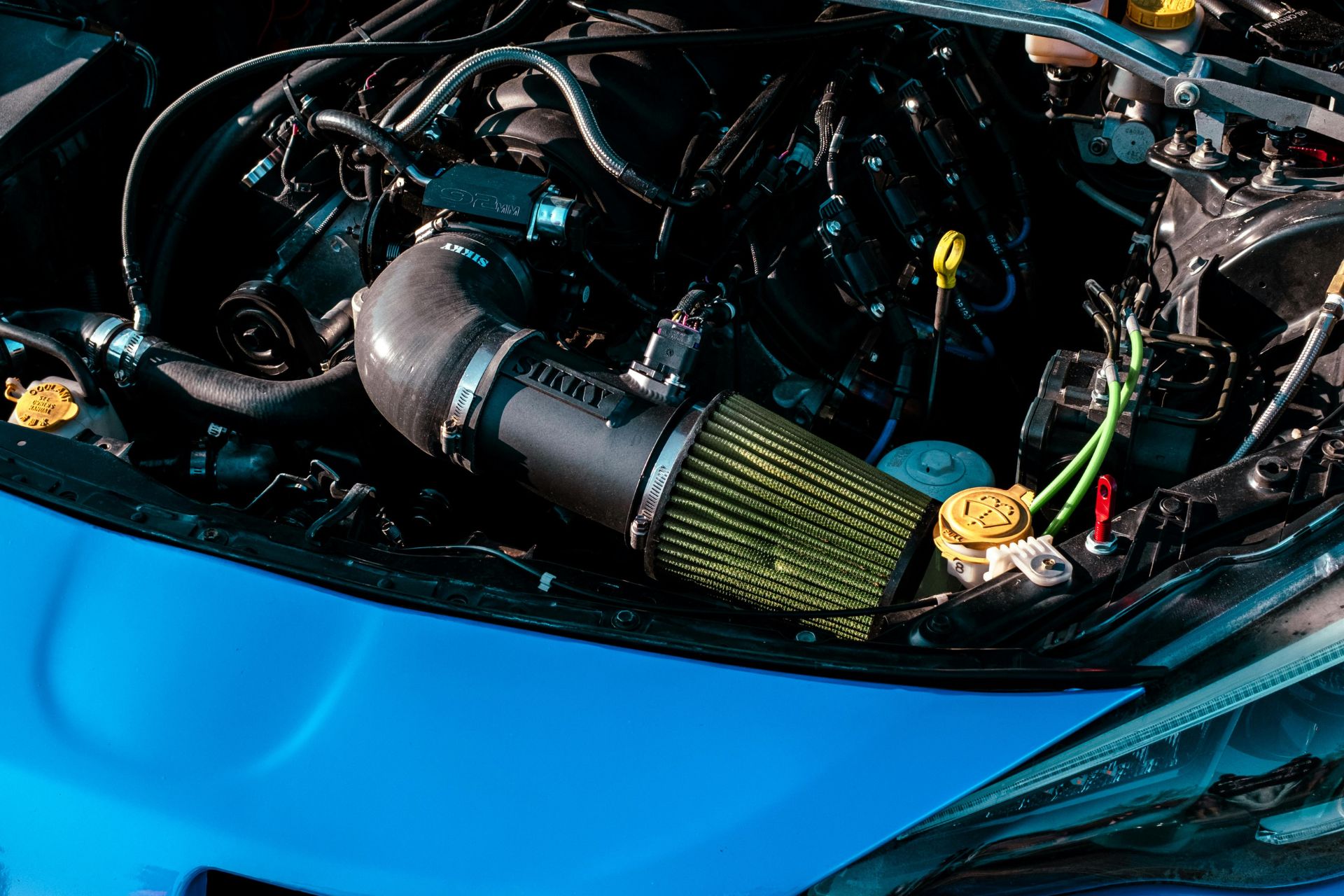
Car Engine cleaning is one of those maintenance topics that often creates confusion among vehicle owners. Some drivers believe an engine should be spotless to remain healthy, while others assume that dirt and grime under the hood are completely harmless. The truth sits somewhere between these two opinions.
A modern engine compartment is designed to operate in a dirty environment. Dust, road debris, oil residue, moisture, and grime can naturally accumulate around mechanical components over time. A certain amount of surface dirt does not automatically mean that something is wrong with the vehicle. However, excessive contamination can make leaks harder to identify, interfere with inspections, and contribute to problems around sensitive components.
Cleaning an engine, therefore, is not necessarily about making the engine bay look brand new. The real purpose is to maintain visibility, remove harmful buildup, protect appropriate surfaces, and make routine inspections easier.
The important question is not simply whether every Car Engine needs frequent cleaning. Instead, vehicle owners should understand when cleaning is useful, which areas require attention, what methods are safe, and which mistakes can cause expensive damage.
This guide explains everything you need to know about engine cleaning so you can make a sensible maintenance decision for your vehicle.
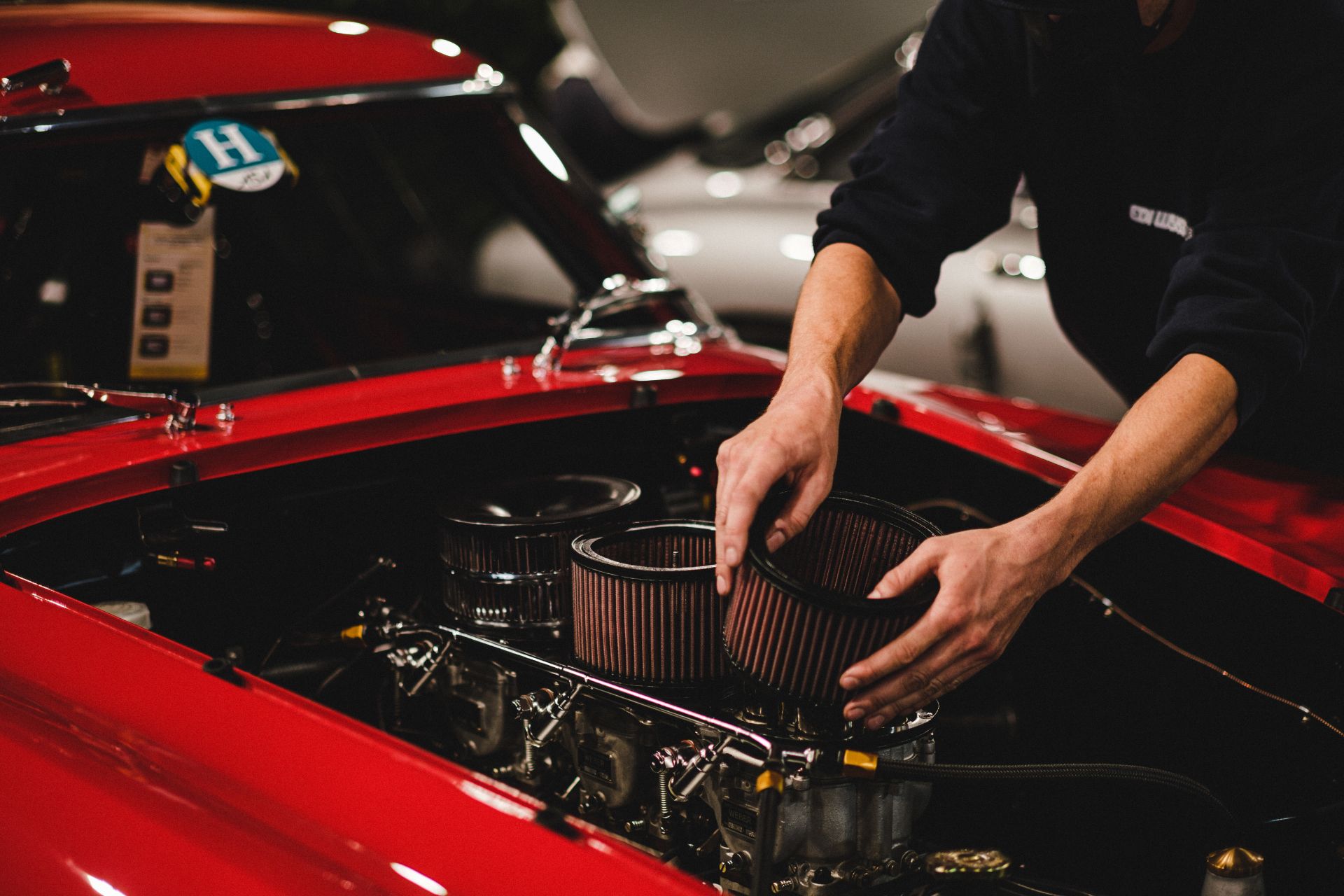
Why Does a Car Engine Get Dirty?
The engine compartment is exposed to numerous contaminants during normal driving. Even though the hood protects most mechanical components from direct exposure, it cannot create a completely sealed environment.
Air entering the front of the vehicle carries dust and fine particles. Roads can introduce mud, sand, salt, and other debris. Oil vapor and small fluid residues can also accumulate around components. In older vehicles, minor leaks may leave noticeable deposits throughout the engine bay.
Several common sources contribute to engine-bay contamination:
- Road dust and dirt
- Mud and water
- Oil residue
- Coolant deposits
- Brake dust
- Leaves and organic debris
- Salt used on winter roads
- Grease from mechanical components
- Dust attracted to oily surfaces
- Residue from previous maintenance work
The longer these materials remain in place, the more difficult they can become to remove. Thick deposits may also hide the source of a developing leak.
A dirty engine bay does not automatically indicate poor mechanical condition. Nevertheless, excessive buildup deserves attention because cleanliness can make maintenance and troubleshooting considerably easier.
Does a Car Engine Actually Need to Be Cleaned?
In most cases, an engine does not need constant cleaning simply because it has accumulated some dust.
The primary job of an engine cleaning is usually maintenance rather than performance enhancement. Removing grime from accessible surfaces can improve visibility and help owners or technicians notice leaks, damaged components, loose connections, and other abnormalities.
There is also an important distinction between cleaning the engine bay and cleaning the internal parts of an engine.
External engine-bay cleaning involves surfaces that can be accessed beneath the hood. Internal engine cleaning is a completely different procedure that may involve specialized maintenance, deposits inside the intake system, fuel system, combustion chamber, or lubrication system.
Simply washing the outside of an engine will not remove carbon deposits inside the combustion chamber or automatically restore lost performance.
For that reason, vehicle owners should avoid assuming that a cleaner-looking engine is necessarily a healthier engine.
What Are the Benefits of Cleaning a Car Engine?
A carefully performed cleaning can provide several practical benefits. These advantages are primarily related to maintenance, inspection, appearance, and contamination control.
Easier Leak Detection
One of the most useful advantages of a clean engine compartment is improved visibility.
Suppose an engine bay is covered in years of oily residue. If a new leak develops, fresh fluid may blend into the existing grime. A technician could have a harder time determining where the fluid originated.
Once excessive contamination has been removed, fresh oil, coolant, or other fluids are easier to identify.
This does not mean cleaning prevents leaks. Instead, it makes developing problems easier to notice.
Better Maintenance Visibility
Routine vehicle maintenance involves inspecting hoses, belts, electrical connections, fluid reservoirs, and other components.
Heavy dirt can obscure labels and make certain components difficult to examine. A reasonably clean engine compartment creates a more visible working environment.
That can be particularly useful when checking the condition of aging components.
Improved Appearance
For people who care about vehicle presentation, a clean engine bay can make a significant difference.
A well-maintained engine compartment can be especially valuable when preparing a vehicle for sale, displaying a classic automobile, or completing a detailed vehicle restoration.
However, appearance should remain secondary to mechanical safety. Aggressive cleaning methods are not worthwhile if they create electrical or mechanical problems.
Removal of Harmful Contaminants
Certain substances deserve more attention than ordinary dust.
Road salt, for example, can contribute to corrosion when allowed to remain on metal surfaces for long periods. Oil contamination can also collect dust and create thick, sticky deposits.
Removing problematic contamination can help keep appropriate surfaces cleaner and easier to monitor.
Easier Professional Inspection
When a vehicle goes to a repair shop, technicians need to inspect relevant components efficiently.
An excessively dirty engine compartment can make diagnosis more difficult. While professional mechanics are accustomed to working around contamination, keeping the engine bay reasonably clean can simplify visual inspection.
Can Cleaning Improve Car Engine Performance?
This is one of the most common questions surrounding engine cleaning.
In general, washing dirt from the exterior of an engine does not directly increase horsepower or restore lost engine performance.
A dirty exterior does not automatically restrict combustion or reduce engine power.
Performance improvements may occur when a specific mechanical problem is addressed, but that is different from ordinary engine-bay washing.
For example, cleaning or servicing a component that has accumulated harmful deposits may be part of a legitimate repair procedure. However, the benefit comes from restoring the component’s intended operation rather than simply making the engine compartment look cleaner.
Therefore, drivers should be skeptical of claims that ordinary external washing will dramatically increase fuel economy or horsepower.
How Often Should a Car Engine Be Cleaned?
There is no universal schedule that applies to every vehicle.
Cleaning frequency depends on driving conditions, climate, vehicle age, engine-bay contamination, and personal preferences.
A vehicle driven primarily on clean paved roads may remain relatively clean for a long time. A truck regularly driven through mud, dusty construction areas, or winter roads may require more frequent attention.
Instead of following an arbitrary calendar, inspect the engine compartment periodically.
Consider cleaning it when:
- Dirt has accumulated heavily.
- Oil residue covers multiple surfaces.
- Road salt or mud is present.
- Leaves and debris have collected beneath the hood.
- A previous repair left significant residue behind.
- You need to inspect components that are difficult to see.
- You are preparing the vehicle for sale.
- A professional inspection would benefit from better visibility.
A light inspection every few months can help determine whether cleaning is actually necessary.
What Is the Safest Way to Clean a Car Engine?
The safest approach is generally controlled, gentle, and targeted rather than aggressive.
Before cleaning, allow the engine to cool. Working around a hot engine increases the risk of burns and can cause rapid temperature changes when water contacts hot surfaces.
Remove loose debris first. Leaves, twigs, and larger particles can often be taken away manually or with a soft brush.
Next, identify sensitive areas that should not receive unnecessary water or cleaning chemicals. Modern vehicles contain numerous electrical connectors, sensors, modules, and other components that should be treated carefully.
Use an appropriate automotive degreaser when necessary, following the product’s instructions. Apply it selectively rather than covering the entire engine compartment indiscriminately.
A soft brush can help loosen stubborn deposits. Afterward, use a controlled amount of water where appropriate, avoiding excessive pressure.
Finally, dry the area thoroughly and allow remaining moisture to evaporate before driving.
The goal should be controlled cleaning, not maximum water exposure.
Should You Pressure Wash a Car Engine?
Pressure washing an engine compartment can be risky.
High-pressure water can force moisture into electrical connectors, seals, bearings, and other areas that were never designed to receive concentrated water pressure.
The potential problem is not that engines can never encounter water. Vehicles routinely operate in rain and wet conditions. The concern is the combination of concentrated pressure, direct spraying, and prolonged exposure in sensitive areas.
If pressure equipment is used, it should be approached cautiously and never treated like an ordinary exterior car wash.
For most vehicle owners, a lower-pressure cleaning method offers better control and reduces unnecessary risk.
If you are uncertain about the design of your vehicle or the location of sensitive components, professional cleaning may be a better option.
Which Parts of a Car Engine Should Be Protected?
Modern engine compartments contain far more than the engine block itself.
There may be:
- Electrical connectors
- Sensors
- Ignition components
- Alternators
- Fuse boxes
- Electronic control modules
- Air intake components
- Battery connections
- Exposed wiring
- Belts and pulleys
These components should not be treated equally.
Water-resistant does not mean completely immune to improper cleaning. A component designed to withstand rain may still experience problems when exposed to concentrated water pressure or excessive chemical products.
Before cleaning, identify the vehicle’s sensitive areas. When the manufacturer’s service information provides specific cleaning instructions, those instructions should take priority.
Can Engine Cleaning Cause Damage?
Yes. Improper cleaning can create problems.
One of the biggest mistakes is assuming that because a vehicle operates in rain, it is safe to spray every area beneath the hood.
Potential issues can include:
- Moisture entering electrical connections
- Temporary engine misfires
- Corrosion around electrical components
- Damage to sensitive connectors
- Water contamination in inappropriate locations
- Belt noise after excessive moisture exposure
- Chemical damage to finishes or rubber components
- Problems caused by aggressive pressure washing
Not every cleaning attempt will cause damage, but unnecessary exposure increases the opportunity for something to go wrong.
The safest principle is simple: clean what needs cleaning and avoid soaking what does not.
What Cleaning Products Should You Use?
A product specifically formulated for automotive engine-bay cleaning is generally preferable to random household chemicals.
Avoid assuming that a powerful household degreaser is automatically safe for automotive materials. Strong chemicals can affect plastics, rubber, painted surfaces, protective coatings, and other materials.
Before using any product, check its instructions and compatibility information.
A basic cleaning setup may include:
- Automotive-safe degreaser
- Soft detailing brushes
- Microfiber towels
- Low-pressure water source
- Protective gloves
- Plastic bags or covers when appropriate
- Compressed air or suitable drying equipment
You do not need an enormous collection of detailing products. Controlled technique is often more important than having dozens of specialized chemicals.
Should You Clean an Older Car Engine Differently?
Older vehicles may require additional caution.
An aging vehicle can have deteriorated wiring insulation, older seals, exposed connections, brittle plastic components, or existing leaks.
A cleaning process that causes no issue on one modern vehicle may be less appropriate for an older automobile.
Classic and collector vehicles can also contain finishes and components that require specialized care.
For an older Car Engine, inspect the compartment before introducing water or chemicals. Look for cracked hoses, exposed wires, loose connectors, deteriorated seals, and other signs of age.
If the engine bay has not been cleaned for many years, a gradual hand-cleaning process may be safer than aggressive spraying.
Does Engine Bay Cleaning Help With Overheating?
Cleaning the engine bay itself is not normally a direct solution for overheating.
Engine temperature is controlled by systems such as the cooling system, radiator, thermostat, coolant, water pump, fans, and related components.
However, contamination can sometimes interfere indirectly with cooling-related components.
For example, a heavily contaminated radiator or cooling component may not exchange heat as efficiently as it should. In such circumstances, cleaning the appropriate component can be part of corrective maintenance.
That is different from spraying the entire engine compartment and expecting an overheating problem to disappear.
If an engine is overheating, identify and repair the underlying cause instead of relying on cosmetic cleaning.
Can a Dirty Car Engine Affect Fuel Economy?
A dirty engine bay does not automatically mean poor fuel economy.
Fuel consumption depends on many variables, including driving habits, tire condition, vehicle load, engine condition, aerodynamics, maintenance, weather, and traffic.
Simply removing external dirt from the engine compartment is unlikely to produce a measurable fuel-economy improvement by itself.
However, cleaning can make maintenance problems easier to identify. If the process reveals an oil leak, damaged hose, or other issue, repairing that problem may contribute to proper vehicle operation.
The important distinction is between cleaning the engine and repairing a mechanical problem discovered during cleaning.
When Should You Avoid Cleaning the Engine Yourself?
DIY cleaning is not appropriate for every situation.
Consider professional assistance if:
- You cannot identify sensitive components.
- The engine has major oil contamination.
- The vehicle has significant electrical modifications.
- Wiring appears damaged.
- The engine has recently experienced electrical problems.
- You suspect an active fluid leak.
- The vehicle is a rare or valuable classic.
- You are uncomfortable working around mechanical components.
- The manufacturer’s instructions discourage certain cleaning methods.
Professional detailing services may also have specialized equipment and experience with different engine compartments.
Paying for careful cleaning can be preferable to saving money with an aggressive DIY method that creates an expensive repair.
Engine Cleaning vs. Engine Detailing: What Is the Difference?
The terms are sometimes used interchangeably, but they can describe different levels of work.
Basic engine cleaning generally focuses on removing visible dirt, dust, grease, and debris.
Engine detailing is usually more comprehensive. It may involve cleaning individual components, carefully treating plastics and rubber surfaces, improving the appearance of accessible parts, and thoroughly drying the compartment.
Neither process should be confused with internal engine cleaning.
Internal cleaning may involve specific mechanical procedures designed to address deposits or contamination within particular engine systems.
Knowing which type of cleaning you actually need prevents unnecessary work and unrealistic expectations.
How to Clean a Car Engine Step by Step
If you decide to perform basic engine-bay cleaning yourself, preparation is essential.
Step 1: Let the Engine Cool
Never begin by spraying a hot engine.
Allow sufficient time for the engine and surrounding components to cool naturally.
Step 2: Remove Loose Debris
Take out leaves, twigs, dirt clumps, and other loose material by hand or with a soft brush.
Step 3: Inspect the Engine Bay
Look for leaks, damaged wires, cracked hoses, loose components, and sensitive electrical areas.
Cleaning can expose problems, so inspection should happen before and after the process.
Step 4: Protect Sensitive Areas
Where appropriate, protect vulnerable electrical components according to the vehicle manufacturer’s recommendations.
Do not blindly cover every component. Understand what you are protecting and why.
Step 5: Apply an Automotive-Safe Cleaner
Use a suitable degreaser only where needed.
Allow the product to work according to its instructions rather than immediately attacking the surface with aggressive force.
Step 6: Agitate Gently
Use soft brushes to loosen stubborn deposits.
Gentle mechanical action is usually safer than relying on excessive chemical strength.
Step 7: Rinse Carefully
Use controlled, low-pressure water where appropriate.
Avoid directly blasting sensitive components.
Step 8: Dry Thoroughly
Remove standing water and allow the compartment to dry.
Microfiber towels and appropriate air can help with accessible areas.
Step 9: Inspect Again
Once everything is clean and dry, inspect the engine bay once more.
Look for newly visible leaks, damaged parts, loose connections, or other issues.
Step 10: Start the Vehicle Carefully
After confirming that the relevant components are dry and secure, start the vehicle and observe its operation.
If warning lights, unusual noises, rough running, or other abnormal symptoms appear, stop and investigate the cause.
Signs That Your Car Engine Bay Needs Cleaning
There are several visual signs that cleaning may be worthwhile.
A thick layer of oily grime is one obvious indicator. Large amounts of road salt or mud are another. Accumulated leaves can also create unnecessary problems, particularly around areas where debris can remain trapped.
You should also consider cleaning if dirt makes it difficult to identify fluid levels, inspect hoses, or locate a suspected leak.
On the other hand, a light coating of ordinary dust is usually not a reason to reach for a pressure washer.
Think in terms of condition rather than perfection.
What About Oil-Covered Engine Bays?
An oily engine bay deserves more attention than a dusty one.
Oil residue may come from an old spill, routine maintenance, a loose cap, or an active leak.
Cleaning the area can help determine whether contamination is old or continuing to appear. However, cleaning should never replace diagnosis.
If oil returns after cleaning, investigate the source.
Potential sources vary considerably depending on the vehicle and engine design. A professional technician can identify the origin more accurately than simply cleaning the affected area repeatedly.
Does a Clean Engine Mean a Healthy Engine?
Not necessarily.
An engine can look immaculate while suffering from serious mechanical problems. Conversely, an older engine can look dirty while operating reliably.
Appearance and mechanical condition are related only indirectly.
A clean engine compartment makes inspection easier, but it does not prove that the internal components are functioning correctly.
Proper maintenance should include appropriate oil changes, coolant service, filter replacement, inspection of belts and hoses, monitoring warning lights, and following the manufacturer’s recommended service schedule.
Cleaning is one small part of responsible vehicle care.
Common Car Engine Cleaning Mistakes to Avoid
Several mistakes repeatedly cause problems during DIY engine cleaning.
Using Excessive Water
More water does not automatically produce a better result. Excessive moisture can reach areas where it is unwanted.
Spraying Everything With High Pressure
Concentrated pressure can force water into sensitive locations.
Cleaning a Hot Engine
Rapid temperature changes are unnecessary and can make the cleaning process less safe.
Using Harsh Household Chemicals
A product that works well on household grease may not be appropriate for automotive materials.
Ignoring Existing Leaks
Cleaning away oil without finding its source only hides the symptom temporarily.
Expecting More Horsepower
External cleaning does not magically increase engine output.
Neglecting Drying
Leaving moisture throughout the engine compartment is poor practice.
Cleaning Without Checking Manufacturer Guidance
Different vehicles can have different requirements. Manufacturer documentation should always take precedence over generic advice.
Is Professional Car Engine Cleaning Worth It?
For many drivers, professional cleaning can be worthwhile when the engine bay is heavily contaminated or when they are uncertain about sensitive components.
A professional service may provide more controlled cleaning and drying techniques. It can also be useful before selling a vehicle or after a significant mechanical repair.
However, professional service is not mandatory for every vehicle.
If the engine bay only has light dust, simple inspection and occasional gentle cleaning may be enough.
The right choice depends on the vehicle, condition, owner’s comfort level, and purpose of the cleaning.
How to Keep a Car Engine Cleaner for Longer
Preventive habits can reduce the need for intensive cleaning.
First, address oil and fluid leaks promptly. A small leak can eventually create a large amount of grime.
Second, keep the underside of the hood and surrounding areas reasonably clean. Removing accumulated debris early is easier than dealing with years of buildup.
Third, follow the vehicle’s maintenance schedule. Regular servicing reduces the likelihood of old spills and neglected components becoming long-term contamination sources.
Finally, inspect the engine bay occasionally. You do not need to polish every component. The goal is simply to notice changes before they become bigger problems.
Frequently Asked Questions About Car Engine Cleaning
Can I Wash My Car Engine With Water?
Some engine compartments can tolerate controlled water exposure, but that does not mean every area should be soaked. Use minimal, controlled water and avoid high-pressure spraying around sensitive components.
How Often Should I Clean My Engine Bay?
There is no universal interval. Clean it when contamination becomes excessive or interferes with inspection and maintenance.
Will Cleaning My Engine Make My Car Run Better?
External cleaning normally does not improve engine performance by itself. Any performance improvement would generally result from fixing a mechanical problem rather than removing surface dirt.
Is It Safe to Pressure Wash an Engine?
Pressure washing can create unnecessary risk because concentrated water can enter sensitive electrical and mechanical areas. A controlled, lower-pressure method is generally more appropriate.
Can I Clean an Engine While It Is Hot?
It is better to allow the engine to cool before cleaning. This reduces safety risks and avoids unnecessary thermal shock.
Does Engine Cleaning Prevent Rust?
Cleaning can remove contaminants such as road salt that may contribute to corrosion, but it does not guarantee corrosion prevention.
Should I Clean My Engine Before Selling My Car?
A clean engine bay can improve presentation and make inspection easier. However, avoid aggressive cleaning simply for cosmetic purposes.
Final Thoughts: Does Your Car Engine Need Cleaning?
So, does a Car Engine need to be cleaned?
The answer depends on its condition and the reason for cleaning.
A small amount of dust is usually nothing to worry about. Heavy oil residue, road salt, mud, leaves, and other contamination deserve more attention, particularly when they interfere with inspection or hide potential leaks.
The most important principle is that engine cleaning should support vehicle maintenance rather than become a goal in itself. Gentle techniques, suitable products, controlled water use, and thorough drying can help maintain a cleaner engine compartment without unnecessarily exposing sensitive components to damage.
Remember that a clean-looking Car Engine is not automatically a mechanically healthy one. Regular servicing, proper inspections, timely repairs, and adherence to manufacturer recommendations remain far more important than appearance.
When cleaning is necessary, approach the job carefully, understand the components beneath the hood, and focus on removing harmful or obstructive contamination rather than trying to make every surface spotless.
