Introduction
Tool Guns are specialized tools designed to make fastening, assembling, securing, or construction-related tasks faster and more consistent. Depending on their design, these devices can use mechanical force, compressed air, electricity, or other power sources to perform jobs that would otherwise require significant manual effort. From professional workshops and construction sites to manufacturing environments and home improvement projects, powered tools have become an important part of modern work.
The term “Tool Guns” can describe several categories of gun-shaped tools. Nail guns, staple guns, rivet tools, caulking guns, grease guns, heat guns, and certain fastening devices may all have a similar pistol-style form while serving completely different purposes. Understanding these differences is essential when selecting equipment for a particular task.
Rather than treating every tool with a trigger and barrel-like structure as the same product, it is more useful to examine what each device is designed to accomplish. Power source, application, material compatibility, operating method, precision, maintenance requirements, and safety features all influence performance.
This guide explores Tool Guns from a practical perspective. It explains what they are, how they function, where they are used, what types exist, and what factors should be considered before purchasing or using one.
What Are Tool Guns?
At their simplest, Tool Guns are handheld tools with a gun-like configuration that allow users to control a specific mechanical operation through a handle and trigger or activation mechanism. Their appearance is often related to ergonomics rather than their function. The shape allows the user to hold the device securely while directing force toward a particular working area.
Different Tool Guns are built for different applications. A nail gun drives nails into wood or other suitable materials. A staple gun installs staples. A grease gun delivers lubricant into machinery. A caulking gun dispenses sealant or adhesive. A heat gun produces a stream of heated air for tasks such as shrinking, softening, or removing materials.
Consequently, there is no single specification that defines every tool in this category.
Some models are manually operated, while others rely on electricity, batteries, compressed air, or specialized power systems. Their operating principles can therefore vary considerably.
The common characteristic is the combination of a handheld format, directional operation, and a mechanism that reduces the physical effort needed to complete a particular task.
Why Are Tool Guns Designed in a Gun-Shaped Form?
The pistol-style design of many Tool Guns is primarily practical. A handle positioned beneath the main body provides a natural gripping point and allows the operator to direct the tool with one hand in many situations.
The trigger is typically positioned where the index finger can reach it without changing the grip. This arrangement can make repeated operations more convenient.
Another advantage is directional control. The user can align the front of the tool with the intended working surface while maintaining a stable grip. For professional applications involving hundreds or thousands of repetitive operations, ergonomic design can have a meaningful impact on workflow.
Manufacturers may also place batteries, motors, cartridges, air chambers, heating elements, or mechanical components inside the main body. The resulting shape can resemble a conventional firearm, although the purpose and internal construction are entirely different.
The visual similarity should therefore not be confused with functional similarity.
How Do Tool Guns Work?
The operating principle depends on the specific category.
A powered fastening tool may convert electrical energy or compressed-air pressure into mechanical movement. When the operator activates the trigger, an internal mechanism moves a driver that pushes a fastener into an appropriate material.
A dispensing tool works differently. Instead of driving a fastener, it pushes a plunger through a cartridge or tube, forcing a substance such as sealant, adhesive, or lubricant through a nozzle.
A heat gun uses electrical energy to heat air before directing it through an outlet. A grease gun creates pressure that moves lubricant through a hose or nozzle into a lubrication point.
Although these mechanisms differ, the basic operating sequence is often similar:
- Prepare the tool and working material.
- Select the appropriate accessory or consumable.
- Position the tool correctly.
- Activate the trigger or operating control.
- Complete the operation.
- Release the control and inspect the result.
Understanding the mechanism is important because improper use can lead to poor results, equipment damage, or injury.
Main Types of Tool Guns
There are numerous tools that fall within the broader Tool Guns category. Their differences become clearer when they are grouped according to their primary function.
Nail Guns
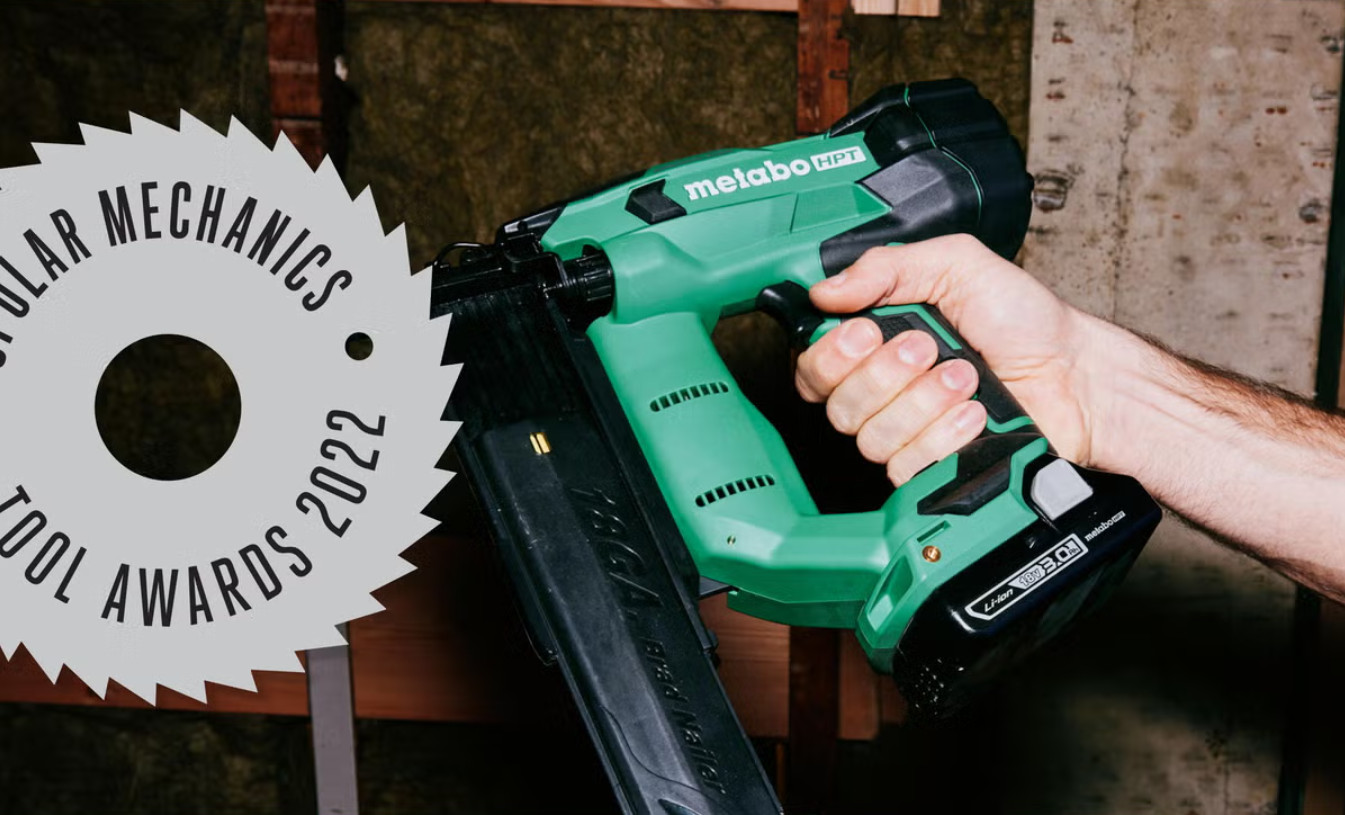
Nail guns are designed to install nails quickly into compatible materials. They are commonly associated with framing, roofing, flooring, trim installation, and woodworking.
Instead of manually striking each nail with a hammer, the tool uses a controlled mechanism to drive the fastener. Depending on the model, the power source may be pneumatic, electric, or battery-based.
Different nail guns are designed for different nail sizes and applications. A framing nailer, for example, is substantially different from a finish nailer.
Staple Guns
Staple guns insert metal staples into suitable materials. They are widely used for upholstery, insulation, packaging, carpentry, and general repair work.
Manual staple guns rely on the operator’s physical force. Powered models reduce the effort required for repetitive jobs.
Choosing the correct staple size and compatible tool is essential because using unsuitable staples can result in jams, incomplete insertion, or material damage.
Caulking Guns
Caulking guns are dispensing tools designed to apply sealants and adhesives from cartridges or tubes.
They are frequently used around windows, doors, sinks, bathtubs, construction joints, and other areas requiring controlled application of sealant.
A quality caulking gun gives the user better control over material flow. This is particularly important when creating a clean, continuous bead.
Grease Guns
Grease guns are designed to deliver lubricants into mechanical components that require regular maintenance.
They can be found in automotive workshops, industrial facilities, agricultural operations, and machinery maintenance environments.
Depending on the model, grease guns may be manually operated, battery powered, or pneumatically powered. Their primary purpose is to generate enough pressure to move grease into lubrication fittings.
Heat Guns
Heat guns produce a controlled stream of hot air. They can be used for applications such as paint softening, shrink tubing, adhesive removal, plastic forming, and certain repair tasks.
Because temperatures can become extremely high, heat guns require careful handling and appropriate distance from heat-sensitive materials.
Rivet Tools
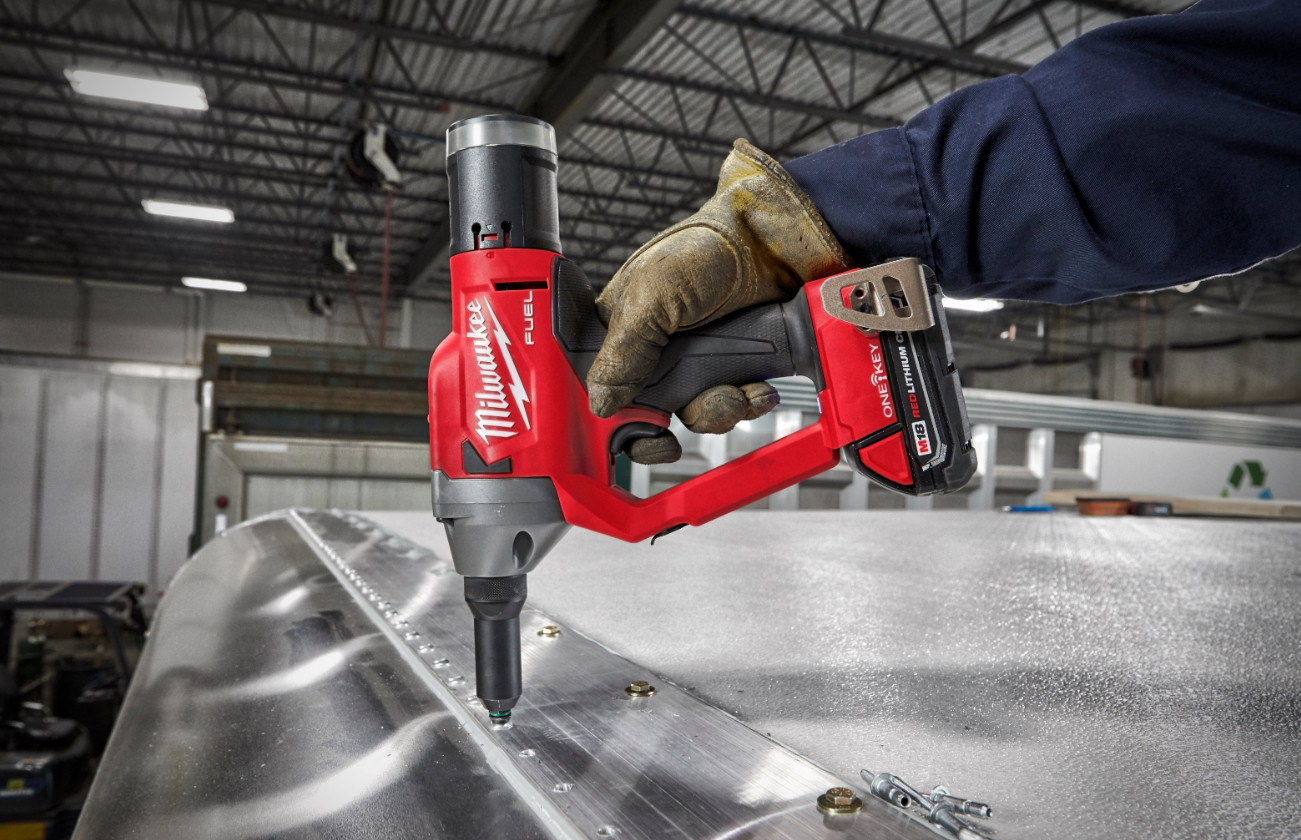
Rivet tools install rivets to join compatible materials. They are commonly encountered in fabrication, metalworking, automotive work, and maintenance.
Different rivet systems require different tool designs. A tool must match the type and size of rivet being installed.
Tool Guns by Power Source
Another useful way to classify these tools is by how they receive power.
Manual Tool Guns
Manual models depend primarily on human force. Their advantages can include simplicity, lower purchase costs, and minimal dependence on batteries, electricity, or compressors.
They can be appropriate for occasional household projects or applications where only a small number of operations are required.
However, repetitive manual operation can become tiring. For high-volume work, a powered alternative may improve productivity.
Electric Tool Guns
Electric models use electricity to power a motor or heating element. They are available in corded and cordless configurations.
Corded equipment can provide continuous operation without battery replacement, while cordless designs offer greater mobility.
The choice depends on the working environment. A workshop with accessible electrical outlets may favor corded equipment, whereas remote construction work may benefit from battery-powered models.
Pneumatic Tool Guns
Pneumatic tools use compressed air supplied by an air compressor.
They are popular in professional workshops because pneumatic systems can deliver consistent power for many repetitive applications. However, the compressor, hoses, fittings, and other supporting equipment must also be considered.
A pneumatic tool is therefore more than the handheld device itself. The performance of the entire air system affects how effectively it operates.
Battery-Powered Tool Guns
Battery-powered models have become increasingly common because they eliminate the need for a power cord or air hose.
Modern battery platforms can support multiple compatible tools, allowing users to share batteries and chargers across equipment from the same system.
The main considerations include battery capacity, charging time, runtime, replacement cost, and overall tool weight.
Where Are Tool Guns Used?
Tool Guns are found in many professional and personal environments.
Construction
Construction workers use specialized fastening and dispensing tools for framing, roofing, flooring, insulation, finishing, and other tasks.
Powered tools can reduce repetitive manual work and help professionals maintain consistent production rates.
Woodworking
Woodworkers frequently use nailers, staplers, glue-dispensing systems, and other specialized devices.
For detailed woodworking, tool selection is especially important because excessive force can damage delicate surfaces.
Automotive Maintenance
Automotive applications may involve grease guns, rivet tools, heat guns, and other equipment.
For maintenance work, compatibility is critical. A tool must be appropriate for the component, material, and maintenance procedure involved.
Manufacturing
Manufacturing environments often require tools capable of performing repetitive operations consistently.
Depending on the production process, equipment may be used for fastening, joining, dispensing, lubrication, assembly, or finishing.
Home Improvement
Homeowners can use compact tools for repairs, renovation projects, furniture assembly, upholstery, sealing, and other DIY activities.
However, a professional-grade tool is not automatically the right choice for every household user. The correct equipment should match the frequency, scale, and difficulty of the project.
What Are the Advantages of Tool Guns?
One major advantage is speed.
A powered device can complete repetitive operations much faster than a manual method in many applications. This can be especially valuable in professional environments.
Another benefit is consistency. When a tool is correctly adjusted and used according to its specifications, repeated operations can be more uniform.
Ergonomics also matter. Reducing the amount of manual force required may make extended work more manageable.
Tool Guns can also improve access to certain working areas. Their compact, directional form allows users to operate in spaces where larger equipment may be inconvenient.
However, these benefits depend heavily on choosing the appropriate tool and using it correctly.
Tool Guns vs. Traditional Hand Tools
Traditional hand tools remain useful because they are simple, versatile, and often inexpensive.
For a small repair involving a few fasteners, using a hammer or manual screwdriver may be perfectly practical. Purchasing and maintaining a powered tool may not make sense for such limited work.
The equation changes when a project involves hundreds of repetitive operations.
Consider a flooring project requiring numerous fasteners. Manually installing every fastener can consume considerable time and effort. A compatible powered fastening tool may significantly change the workflow.
Therefore, Tool Guns do not universally replace traditional hand tools. Instead, they provide another option when speed, repetition, consistency, or reduced physical effort becomes important.
Key Features to Consider
When evaluating a tool, look beyond its appearance and basic power rating.
Power and Performance
The required power depends on the application. A tool designed for light-duty finishing should not be expected to perform heavy-duty structural work.
Ergonomic Design
Weight distribution, grip shape, trigger design, vibration, and balance can affect comfort during extended use.
Compatibility
Consumables and accessories must match the tool. This includes nails, staples, cartridges, nozzles, batteries, hoses, or other components.
Adjustment Controls
Some models provide depth, temperature, pressure, speed, or material-flow adjustments.
These controls can make it easier to adapt the tool to different applications.
Durability
Professional users may prioritize robust construction because equipment can experience frequent daily use.
Maintenance Requirements
A tool that requires complicated maintenance may be less convenient for occasional users. Consider cleaning, lubrication, replacement parts, battery care, and storage requirements.
How to Choose the Right Tool Guns
Choosing the right model starts with the project rather than the brand.
Ask what material you will work with, how frequently the tool will be used, what type of operation is required, and how much mobility you need.
For occasional household work, a simple and affordable model may be sufficient.
For professional applications, factors such as cycle speed, durability, ergonomics, serviceability, compatible accessories, and long-term operating costs become more significant.
It is also useful to consider the complete system cost. A pneumatic tool may have a reasonable purchase price but require a compressor and accessories. A cordless tool may cost more initially but provide greater mobility.
Common Mistakes When Using Tool Guns
Even a high-quality tool can produce poor results if it is used incorrectly.
One common mistake is choosing an incompatible accessory. Fasteners, cartridges, batteries, and other consumables must meet the manufacturer’s requirements.
Another mistake is ignoring material limitations. A tool designed for wood should not automatically be assumed suitable for metal, masonry, plastic, or other materials.
Incorrect positioning can also cause problems. The device should generally be held according to the manufacturer’s instructions and aligned appropriately with the work surface.
Skipping maintenance is another frequent issue. Dust, debris, worn components, insufficient lubrication, or damaged accessories can reduce performance.
Finally, users should avoid modifying safety mechanisms or operating equipment outside its intended specifications.
Safety Considerations for Tool Guns
Safety should be part of the workflow rather than an afterthought.
Before using any tool, read the manufacturer’s instructions and understand the operating controls.
Appropriate protective equipment may include safety glasses, hearing protection, gloves, or other equipment depending on the application.
Keep hands and other body parts away from the operating area. Never point a tool at another person, even when it appears inactive.
Before clearing a jam or changing an accessory, follow the manufacturer’s shutdown and disconnection procedure. For powered equipment, this may involve removing the battery, disconnecting electrical power, or releasing pneumatic pressure.
The work area should also be kept organized. Poor lighting, unstable surfaces, clutter, and distractions can increase the possibility of accidents.
Maintenance Tips for Tool Guns
Regular maintenance can help extend equipment life.
Start by keeping the tool clean. Remove dust, debris, adhesive residue, or other buildup according to the manufacturer’s recommendations.
Inspect moving components regularly. Look for unusual wear, cracks, loose parts, damaged cords, hoses, or other signs of deterioration.
For pneumatic equipment, inspect air hoses and fittings for leaks or damage.
For battery-powered equipment, store batteries according to the manufacturer’s instructions and avoid exposing them to unsuitable temperatures.
Lubrication requirements vary significantly between tool types, so users should follow the specific maintenance schedule rather than applying lubricant indiscriminately.
Proper storage is equally important. Keep equipment in a dry, secure location where it is protected from unnecessary impact, moisture, and contamination.
Understanding Tool Gun Specifications
Specifications can appear confusing when comparing models.
A fastening tool may list compatible fastener lengths, magazine capacity, operating pressure, firing modes, or driving depth.
A heat gun may specify temperature ranges and airflow rates.
A grease gun may emphasize maximum pressure and delivery volume.
A cordless device may list voltage, battery capacity, weight, and operating time.
These numbers only become meaningful when connected to the intended application.
A higher specification is not automatically better. Excessive power can sometimes damage the work material or make precise operations more difficult.
The goal is to select specifications that match the task.
Are Tool Guns Suitable for Beginners?
Some categories are relatively straightforward, while others require more experience.
A simple manual dispensing tool may be easy for a beginner to learn. More powerful fastening equipment requires greater attention to positioning, material compatibility, trigger control, and safety.
Beginners should start by reading the instructions, understanding the tool’s operating mechanism, and practicing on suitable scrap material when appropriate.
Training becomes particularly important in professional environments where equipment is used frequently or under demanding conditions.
How Technology Is Changing Tool Guns
Modern tool development is increasingly focused on convenience, efficiency, and control.
Cordless technology has reduced dependence on extension cords and air hoses. Brushless motors can improve efficiency in compatible electric tools. Electronic controls can provide more precise adjustment and monitoring.
Some advanced tools also incorporate features designed to reduce accidental activation or improve operating feedback.
Battery ecosystems are another important development. Users can often operate several compatible tools using batteries from a shared platform.
As technology continues to develop, the distinction between simple handheld equipment and intelligent professional tools may become less pronounced.
Environmental and Cost Considerations
Buying a tool should involve more than the initial price.
A low-cost device may be economical for occasional use, while a more durable model could offer better value for someone using it every day.
Consumable costs also matter. Nails, staples, cartridges, lubricants, batteries, or replacement parts can become significant over time.
Energy consumption is another factor. Electric, pneumatic, and battery-powered systems have different operating requirements.
Extending tool life through maintenance and repair can also reduce waste. Instead of replacing equipment whenever a minor component fails, users can investigate whether the manufacturer supports replacement parts and servicing.
Tool Guns for Professional Work
Professional users generally have different priorities from occasional DIY users.
Reliability can be essential when equipment is used throughout the working day. Downtime can affect schedules and productivity.
Professionals may also prioritize ergonomic features because repetitive operations can place considerable strain on the hands, wrists, arms, or shoulders.
Service availability is another consideration. A tool that is easy to repair and supported by accessible replacement parts may be more practical for long-term professional use.
Compatibility with existing batteries, compressors, accessories, and consumables can also influence purchasing decisions.
Tool Guns for DIY Projects
DIY users should begin by identifying the exact task.
If a project involves installing trim, building furniture, applying sealant, or completing minor repairs, a compact specialized tool may be useful.
However, buying equipment solely because it looks powerful can lead to unnecessary expense.
A good DIY setup balances capability, simplicity, safety, and frequency of use.
Renting specialized equipment may also make sense for a one-time project, particularly when purchasing a professional-grade device would provide little long-term value.
Frequently Asked Questions About Tool Guns
What are Tool Guns used for?
Tool Guns are used for specialized tasks such as fastening, dispensing, heating, lubrication, joining, and other workshop or construction operations. Their exact purpose depends on the specific type of tool.
Are all Tool Guns powered?
No. Some models operate manually, while others use electricity, batteries, compressed air, or other power systems.
Can beginners use Tool Guns?
Yes, some types are suitable for beginners, but the difficulty varies by tool. Users should understand the instructions, intended application, and safety procedures before operating any device.
Are Tool Guns better than traditional tools?
Neither option is universally better. Powered tools can provide speed and convenience for repetitive work, while traditional hand tools may be more practical for small or occasional tasks.
What should I check before buying one?
Check the intended application, material compatibility, power source, operating specifications, accessory compatibility, ergonomics, maintenance requirements, safety features, and total cost of ownership.
How long do Tool Guns last?
Service life varies according to tool quality, workload, maintenance, operating conditions, and frequency of use. Proper maintenance and appropriate operation can help extend equipment life.
Do Tool Guns require maintenance?
Many do. Maintenance can include cleaning, lubrication, inspection, battery care, accessory replacement, or other procedures specified by the manufacturer.
A Simple Tool Guns Selection Checklist
Before purchasing or using a device, consider the following:
| Factor | Question to Ask |
|---|---|
| Application | What exact job will the tool perform? |
| Material | What material will I work with? |
| Power | What power source is most practical? |
| Frequency | How often will I use the tool? |
| Compatibility | Are the required accessories available? |
| Ergonomics | Is the tool comfortable to hold and operate? |
| Safety | What protective features and equipment are required? |
| Maintenance | How much care does the tool need? |
| Cost | What is the total long-term expense? |
| Storage | Where will the tool and accessories be kept? |
This checklist can help prevent a common purchasing mistake: selecting a tool based only on price or power.
What Makes a Good Tool Gun?
There is no universal definition of the “best” tool because different projects demand different characteristics.
For one user, portability may be the most important factor. Another may prioritize durability. Someone completing detailed finishing work may value precision, while a high-volume construction professional may care more about speed and reliability.
A well-matched tool is one that performs its intended job effectively while providing appropriate control, compatibility, durability, and safety.
This principle is more useful than focusing exclusively on specifications or brand names.
The Future of Tool Guns
The development of handheld equipment is likely to continue toward greater portability, efficiency, control, and integration.
Battery technology may continue to influence cordless tools. Digital monitoring could provide users with more information about operating conditions and maintenance. Improved ergonomics may help reduce physical strain during repetitive tasks.
Manufacturers may also continue developing tools designed around specific applications rather than attempting to create one device for every situation.
For users, this means that understanding the fundamentals will remain important even as individual technologies change.
Conclusion
Tool Guns represent a broad family of specialized handheld equipment designed to make specific tasks more efficient, controlled, and manageable. Although many share a pistol-style shape, their functions can be dramatically different. Nail guns, staple guns, caulking guns, grease guns, heat guns, and rivet tools each solve distinct problems.
The right choice depends on the application, material, power source, frequency of use, compatibility, ergonomics, maintenance requirements, and safety considerations. A professional may need a durable high-performance system, while a DIY user may benefit from a simpler and more compact solution.
Understanding how different Tool Guns work makes it easier to compare equipment logically and avoid choosing a tool that does not match the job. With the correct application, proper accessories, responsible operation, and regular maintenance, these specialized tools can become valuable additions to workshops, construction environments, manufacturing facilities, automotive operations, and home projects.
